
Why facial Ageing is not just about Wrinkles
When most people think about facial ageing, they think about wrinkles. While wrinkles are certainly part of the process, they represent only one aspect of a much broader set of anatomical changes that occur over time.
Facial ageing involves changes in skin quality, fat distribution, muscle activity, and even the underlying bone structure. Understanding these factors helps explain why different treatments are recommended for different concerns.
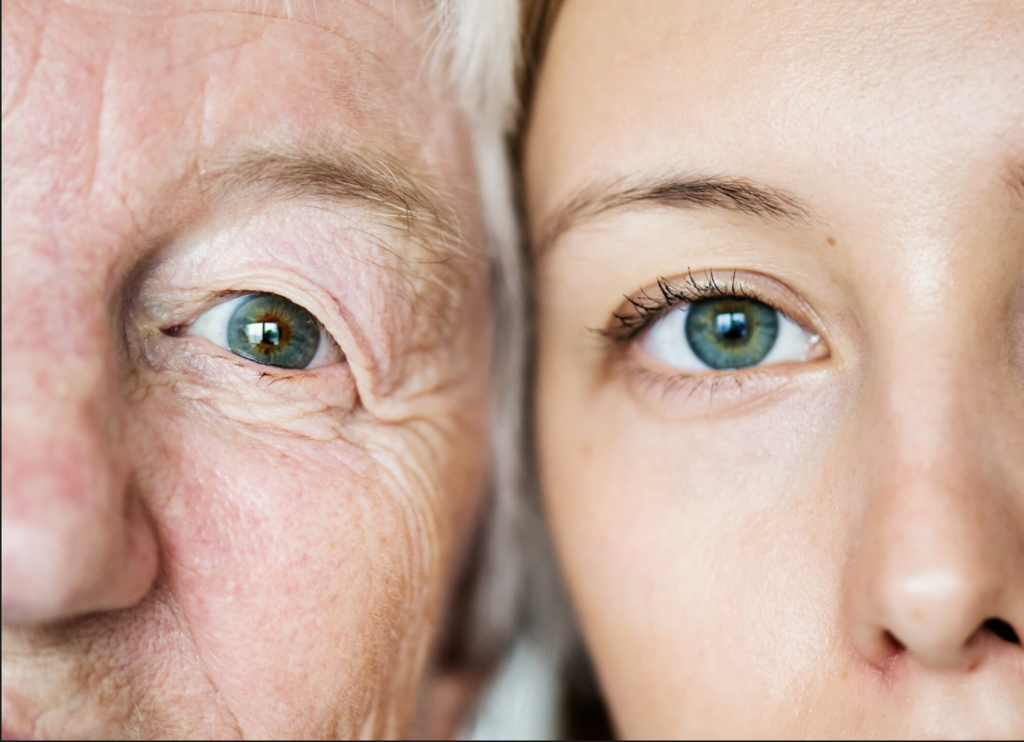
Skin Changes
With age, the skin gradually loses collagen and elastin. These proteins are responsible for maintaining firmness and elasticity.
As collagen levels decrease, the skin becomes:
Thinner
Less Elastic
More prone to fine lines and creasing
Sun Exposure, Smoking, and environmental factors can accelerate these changes.
Volume Loss
One of the most important but less widely understood aspects of facial ageing is loss of volume.
Fat pads in the face that once provided youthful fullness gradually diminish or shift position. This can lead to:
Flattening of the cheeks
Hollowing under the eyes
Deepening of nasolabial folds
These changes are often mistaken for simply "more wrinkles", when the underlying issue is actually loss of structural support
Skin Laxity
Over time, the supporting structures of the face weaken. As a result, tissues begin to descend under the influence of gravity.
This can contribute to:
Jowling along the jawline
Loosening of the neck skin
Heaviness of the lower face
Treatments aimed only at wrinkles do not address these structural changes.
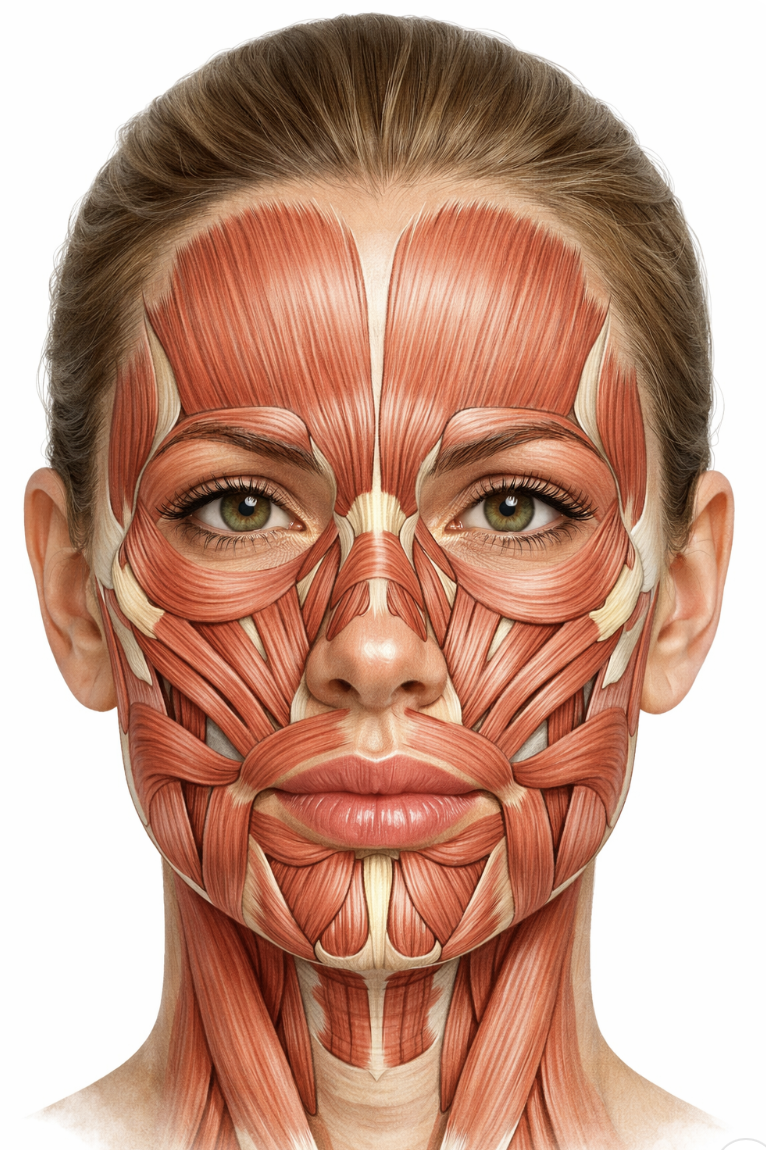
Muscle Laxity
Repeated facial expressions contribute to what are known as dynamic wrinkles. These include lines that appear with movement, such as:
Frown lines between the brows
Forehead lines
Crows' feet around the eyes
These wrinkles are caused by muscle activity rather than skin laxity or volume loss.
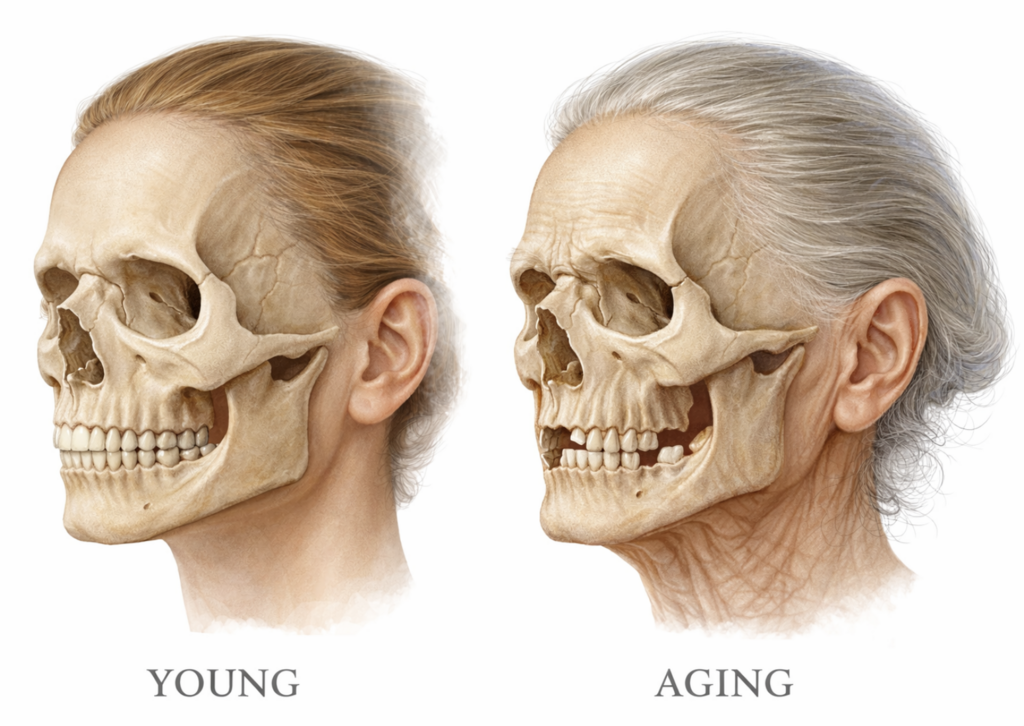
Changes in Bone Structure
Facial bones also change subtly with age. The eye sockets may enlarge and the midface can lose structural projection. These changes influence the position of soft tissues and contribute to the overall appearance of ageing. Although these changes occur gradually, they play an important role in facial shape over time.
Why Treatment must be individualised
Because facial ageing involves multiple layers of change, treatment should be tailored to the specific concern being addressed.
Different approaches target different aspects of ageing, such as:
Muscle relaxation
Volume restoration
Skin tightening
Surgical repositioning of tissues
A comprehensive assessment allows the most appropriate treatment plan to be developed.
Final Thoughts
Facial ageing is a complex process involving far more than wrinkles alone. Changes in skin, fat, muscle, and bone all contribute to the overall appearance of ageing.
Understanding these underlying mechanisms allows treatments to be selected thoughtfully, with the aim of achieving natural and balanced results.
At WHC Plastic Surgery, facial rejuvenation is approached with careful assessment and a focus on maintaining harmony and proportion rather than simply treating individual lines.
Copyright WHC Plastic Surgery. All rights reserved