
Scar Management- What influences Healing and Final Appearance
Scarring is an inevitable part of any surgical procedure. While modern plastic surgery techniques aim to minimise visible scarring, it is important for patients to understand that scar formation is a biological healing process, influenced by many factors beyond the operation itself.
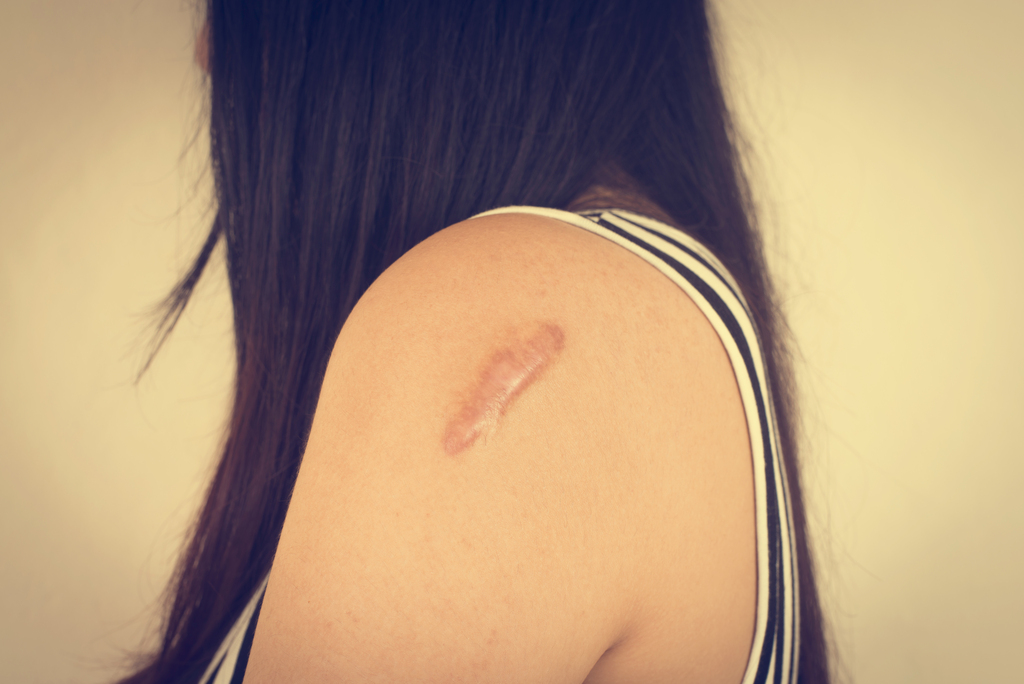
Why Scars form
A scar develops as the body repairs an incision or injury. During healing, collagen is laid down to restore strength to the skin. How this collagen is produced, organised, and remodelled over time determines how noticeable a scar becomes.
While surgeons place incisions carefully and close wounds meticulously, no scar can be completely erased—only optimised.
Factors that Influence Scar Quality
Several elements play a role in how a scar heals:
Individual biology – Genetics, skin type, and ethnicity can influence pigmentation and scar thickness
Location of the incision – Areas under tension or frequent movement tend to scar more noticeably
Surgical technique – Precise incision placement and layered closure reduce unnecessary tension
Postoperative care – How well aftercare instructions are followed significantly impacts healing
Sun exposure – UV exposure can darken scars and prolong redness
Understanding these factors helps set realistic expectations from the outset.

The Role of the Surgeon in Scar Management
Scar management begins before surgery. During consultation, incision placement is carefully planned to align with natural skin creases or concealed areas where possible. During surgery, meticulous tissue handling and fine suturing techniques are essential.
Equally important is structured postoperative follow-up, allowing scars to be monitored and managed proactively as they mature.
Post-Operative Care: What YOU can do to help
Patients play a crucial role in achieving the best possible scar outcome. Common recommendations may include:
Keeping incisions clean and protected during early healing
Avoiding tension, stretching, or strain on the wound
Using silicone gels or sheets when advised
Massaging the scar once healing allows
Strict sun protection for several months
Consistency and patience are key—scar maturation can take up to 12–18 months.
When Scars Need Additional Treatment
Some scars may become raised, thickened, or pigmented despite best efforts. In such cases, early intervention can improve outcomes. Options may include:
Steroid injections for hypertrophic or keloid scars
Laser therapy to reduce redness or texture
Microneedling or resurfacing treatments
Surgical scar revision in selected cases
Not all scars require treatment, but timely assessment allows for appropriate guidance.
Final Thoughts
Good scar management is a partnership between surgeon and patient. While scars are a natural part of healing, thoughtful surgical planning, proper aftercare, and realistic expectations can significantly improve their final appearance.
At WHC Plastic Surgery, scar management is considered an integral part of the surgical journey—not an afterthought. Our goal is always to achieve healing that is not only safe, but as refined and discreet as possible.
If you have concerns about scarring or would like personalised advice, we encourage you to discuss this during your consultation.
Copyright WHC Plastic Surgery. All rights reserved