Skin Cancer
WHAT to look out for and WHEN to seek HELP
Skin cancer is one of the most common cancers worldwide — and South Africa’s high UV exposure makes awareness even more important. Early detection saves lives, preserves healthy tissue, and allows for smaller, more refined reconstructive procedures.
At WHC Plastic Surgery, we believe in empowering patients with clear, practical information. Here’s what you should know.
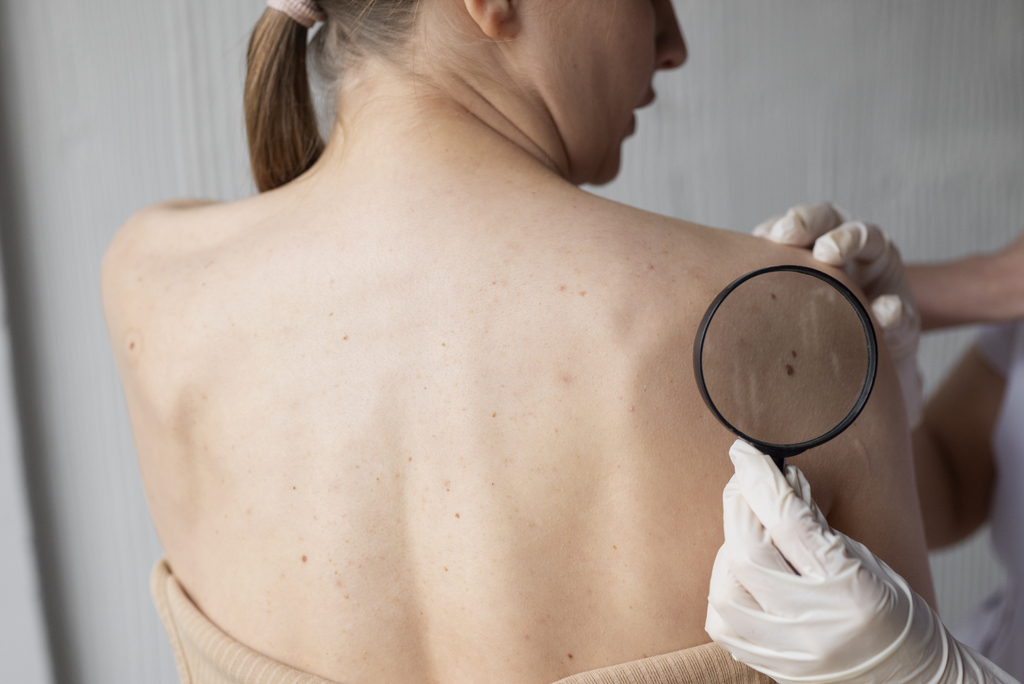
Understanding the Types of Skin Cancer
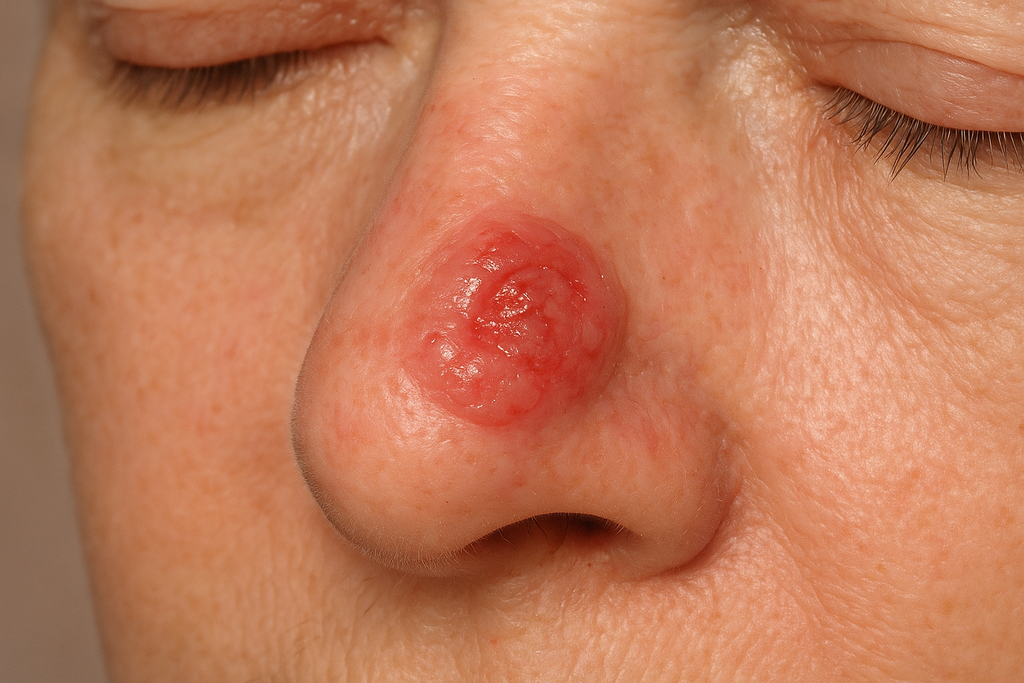
The most common type.
Often appears as:
A pearly bump
A non-healing sore
A pink patch that slowly enlarges
BCC rarely spreads but can cause local damage if untreated.
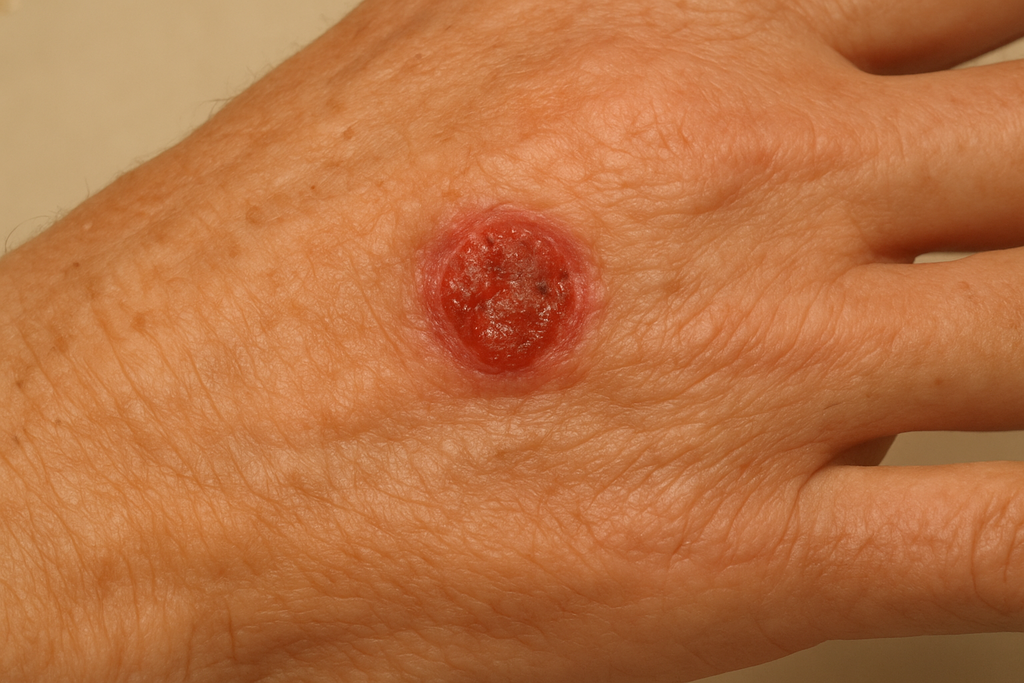
More aggressive than BCC.
Often appears as:
A scaly, red growth
A crusted or painful lesion
A sore that bleeds easily
SCC can spread, so early removal is vital.
The most serious and potentially life-threatening type.
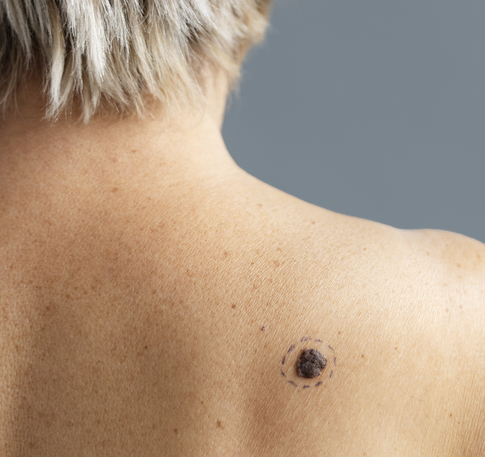
Often begins as an unusual mole, the ABCDE rule for melanoma identification:
A – Asymmetry: One half doesn’t match the other
B – Border: Irregular or jagged edges
C – Colour: Multiple colours (black, brown, red, blue)
D – Diameter: Larger than 6mm
E – Evolving: Any change in size, shape, colour, or behaviour
If a mole looks “different” from the rest, it deserves attention.
A spot that bleeds repeatedly
A lesion that doesn’t heal
A rapidly growing bump
A patch of skin that becomes itchy, crusted, or tender
Any new lesion after age 30 that behaves unusually
Trust your intuition — if something feels off, have it checked.
Plastic surgeons play a crucial role in both removal and reconstruction:
Precise surgical excision with cancer-free margins
Reconstruction using local flaps, grafts, or advanced techniques
Aesthetic restoration with attention to scar quality and harmony
The goal is always to remove the cancer safely while preserving form, function, and appearance.
Daily sunscreen (SPF 30+)
Reapply every 2 hours when outdoors
Wear hats, sunglasses, and protective clothing
Avoid peak sun (10am–3pm)
Monitor your skin monthly
Annual skin checks
Simple habits make a remarkable difference.

Book an assessment if you notice:
Any ABCDE changes
A persistent sore
A new or rapidly growing lesion
A spot that looks “odd” compared to your other moles
Early action is the safest action.
If you’re concerned about a mole, lesion, or skin change, WHC Plastic Surgery is here to help with expert evaluation, safe excision, and refined reconstructive care.
Copyright WHC Plastic Surgery. All rights reserved